Trade Talents, Grow Together
Welcome! Today we dive into Skill Swaps for Everyday Life, where neighbors, colleagues, and friends exchange practical know‑how without money, building confidence, saving time, and creating real connections. Think bike repair for meal prep, tutoring for gardening, or budgeting help for language practice, all turning everyday needs into joyful, empowering collaborations anyone can start right now.
Why Trading Know‑How Beats Going It Alone
Exchanging skills transforms chores into shared victories, because learning beside someone who cares magnifies motivation and memory. Teaching sharpens understanding, and receiving guidance reduces hesitation. This is not merely about saving costs; it’s about belonging, dignity, and momentum that continues long after the swap ends.

Barter with Benefits
When you offer what you’re good at and receive what you need, both sides gain practical results and a confidence lift. Unlike paid gigs, skill swaps encourage patience, curiosity, and celebration of progress. You leave with new abilities, a trusted ally, and an uplifting story worth retelling.

The Psychology of Reciprocity
People naturally mirror generosity. A thoughtful hour fixing a leaky faucet often returns as a careful lesson in spreadsheet basics, given with extra care. This mutual regard compels follow‑through, invites gratitude, and builds a durable habit of helping that extends to family, teams, and neighborhoods.

From Consumers to Contributors
Swapping reframes identity: you are not just someone who needs help, you are someone who offers help. That subtle shift unlocks initiative. Parents share bedtime storytelling tricks, teens trade video editing, retirees teach pruning. Everyone becomes a practitioner who adds value while learning in public without embarrassment.
Mapping Local Talent
Grab a notebook and list five neighbors, five colleagues, and five community spots with skills you admire. Consider hidden talents: the quiet baker, the meticulous cyclist, the spreadsheet whisperer. Share what you can offer in return, and you’ll notice patterns that reveal natural, low‑friction swap possibilities.
Posting Invitations That Attract Helpers
Great invitations are concrete, warm, and time‑bounded. Try: “Can teach sourdough basics; seeking bike brake tuning. Two evenings, kitchen available, safety gear ready.” Add a friendly photo, preferred times, and accessibility notes. Clarity lowers risk, signals respect, and invites the right partner to respond confidently and quickly.
Inclusive Outreach Across Ages and Abilities
Design swaps that welcome different bodies, schedules, and learning styles. Offer seated options, quiet spaces, text transcripts, and flexible timing. Pair teens with retirees, night‑shift nurses with freelancers. Accessibility is not an afterthought; it is the doorway that widens talent pools and multiplies joyful, sustainable participation for everyone.
Designing Fair, Fun Exchanges That Stick
Clarity fuels trust. Define goals, boundaries, materials, and time before you begin, then celebrate small wins along the way. Fun matters, too: games, challenges, and visible progress keep energy high. When expectations match effort, swaps become memorable experiences rather than forgettable transactions.

Safety, Trust, and Healthy Boundaries
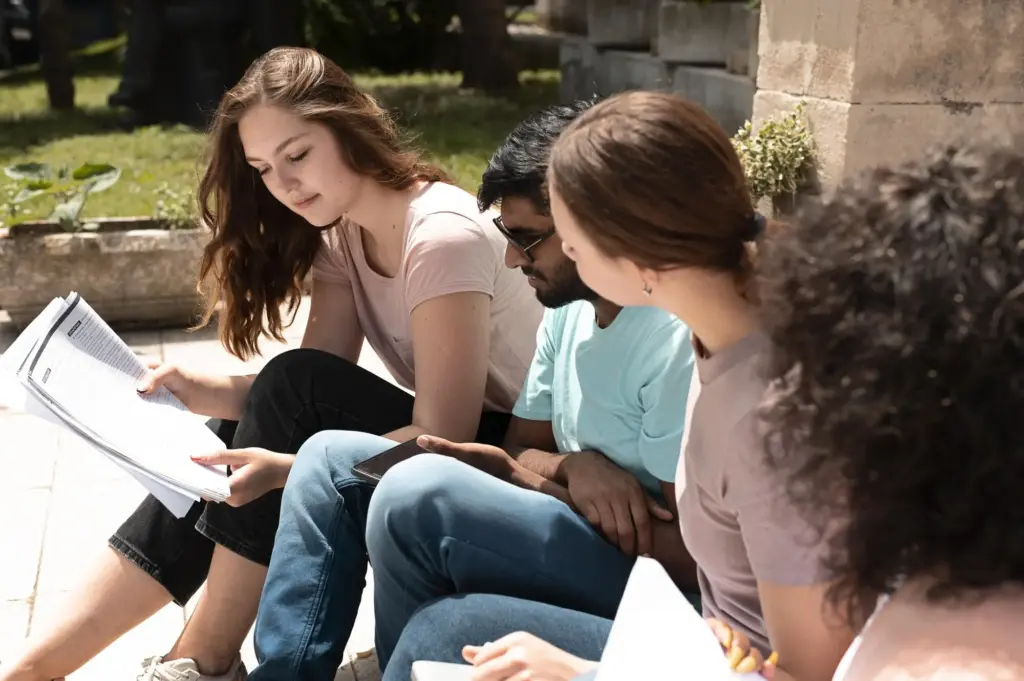
Safety starts with preparation: clear meeting places, agreed tools, and shared expectations about privacy. Trust grows from small commitments kept reliably. Boundaries protect energy; name them with kindness. When people feel secure, they learn faster, teach generously, and return for future swaps with enthusiasm.
Ask for two references or a brief portfolio snippet, even among neighbors. A quick call verifies reliability and tone. Start with a short trial session in a public space. Document agreements by message. These steps feel modest yet prevent mismatches and safeguard the goodwill that makes swapping work.
Choose well‑lit, ventilated spaces with first‑aid basics and clear walkways. Label tools, sanitize shared items, and confirm permissions for building equipment. For higher‑risk activities, discuss protective gear and personal insurance. Thoughtful logistics broadcast care, reduce accidents, and keep attention on learning, not scrambling when something goes sideways.
From One‑Off Favors to Micro‑Apprenticeships
Short, repeatable learning arcs deepen mastery. Instead of a single favor, design a tiny curriculum across a few sessions, moving from demonstration to guided practice to independent application. This structure cements skills, reveals gaps gently, and elevates both teacher and learner into capable, collaborative peers.
Tools, Templates, and Rituals That Help
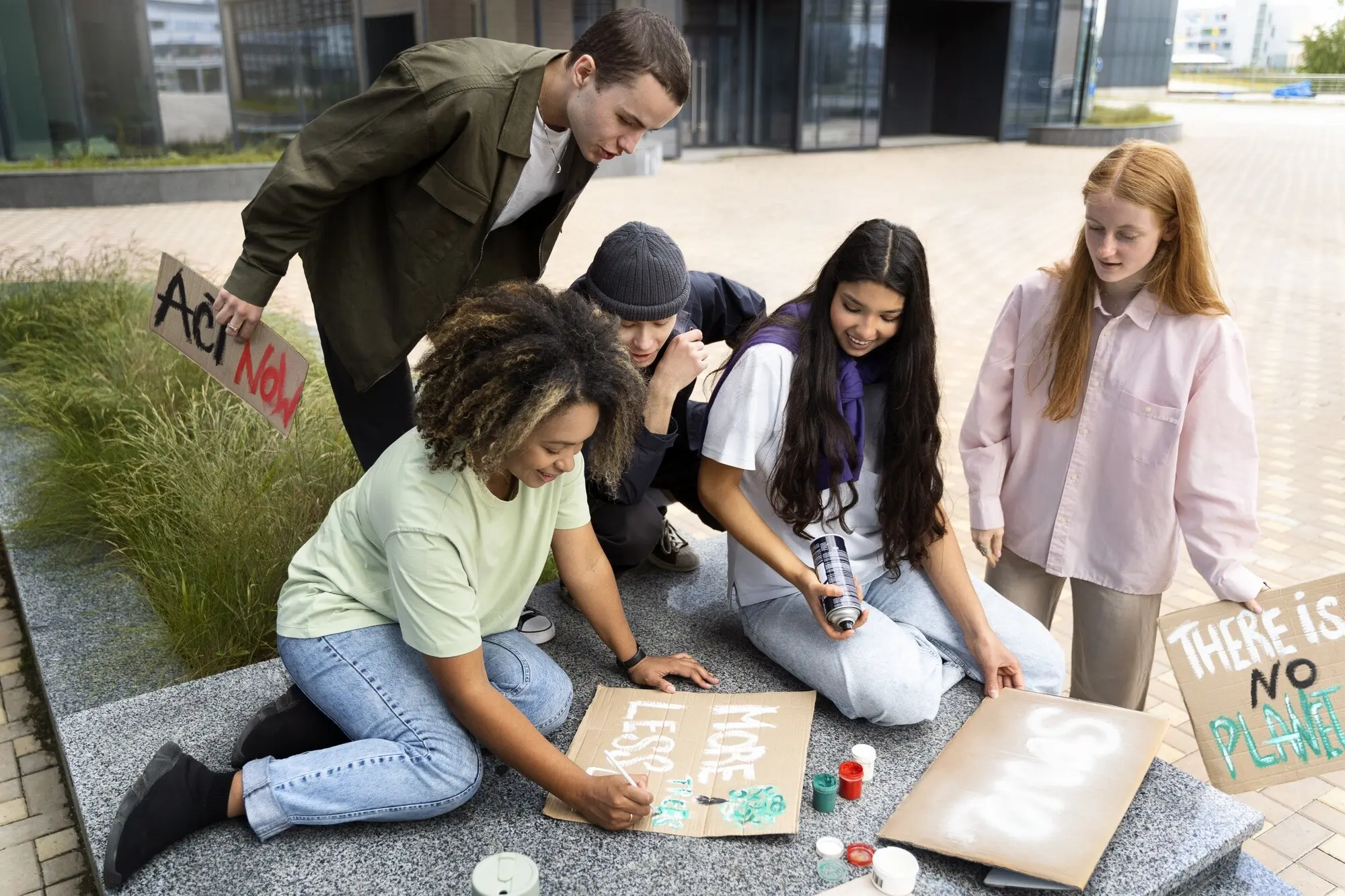
Lightweight systems keep swaps joyful, not bureaucratic. Use checklists, calendars, and shared notes to align. Add small rituals—a kickoff toast, a thank‑you photo, a monthly showcase—to anchor meaning. The right tools and rhythms reduce friction and preserve the playful spirit that brings people back.


All Rights Reserved.