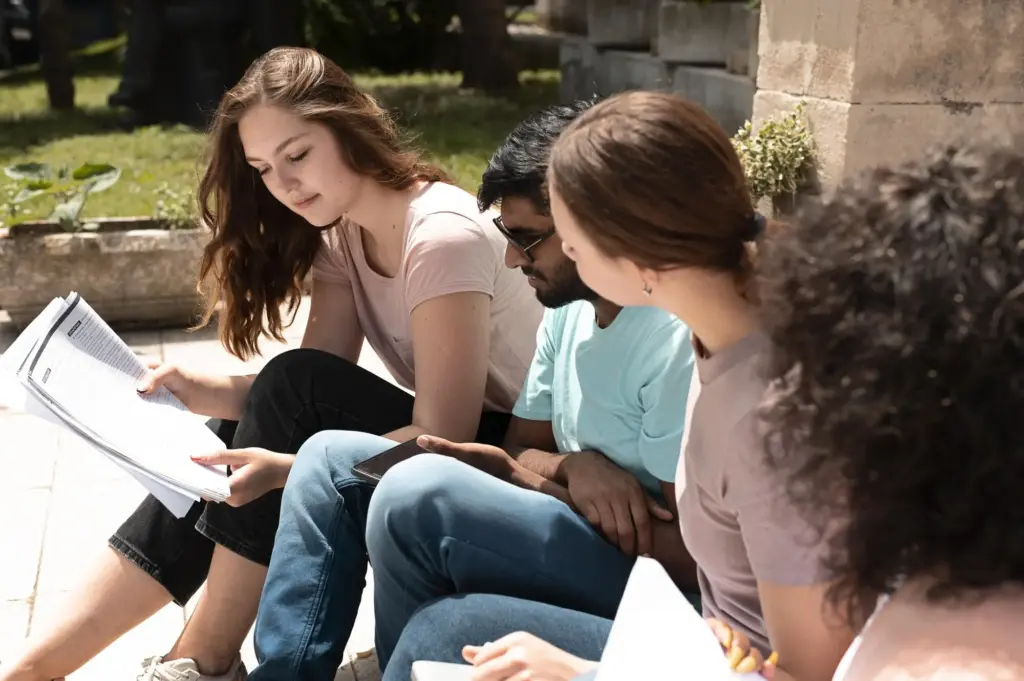
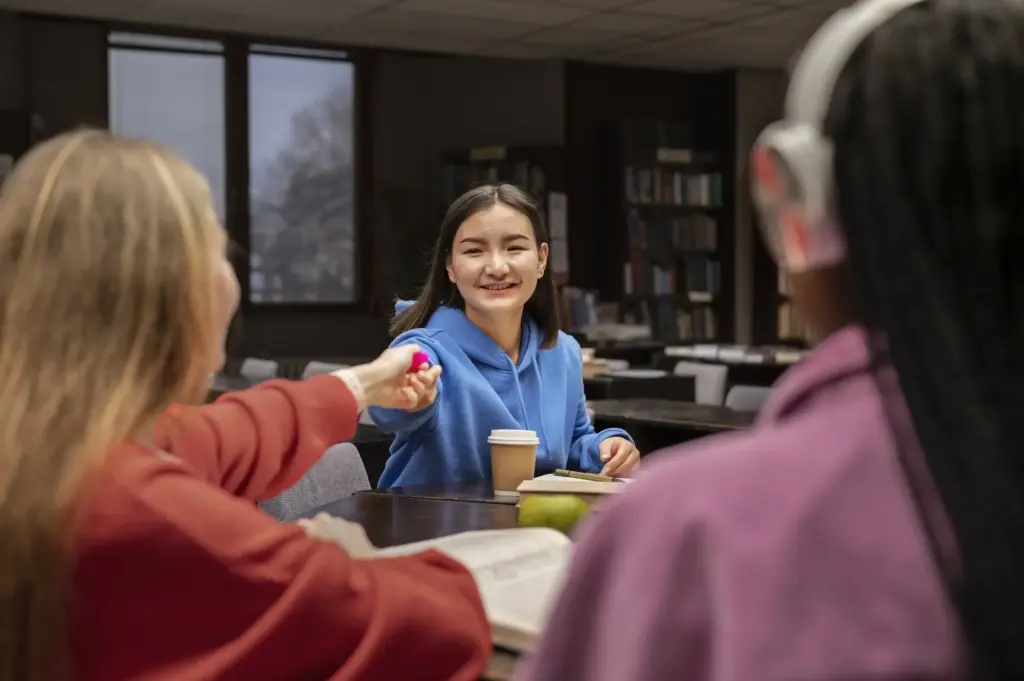
Bridges of Wisdom: Seniors and Teens Learning Together

Step into a living classroom where grandparents and grandchildren in spirit swap smartphone shortcuts for garden wisdom, video editing for handwritten storytelling, and patient crafts for bold experiments. Today we dive into intergenerational skill exchanges between seniors and teens, celebrating curiosity, dignity, and shared growth while inviting you to try simple, joyful activities that spark authentic learning together.

Why Two Generations Thrive Together

Across ages, collaboration turns difference into strength. Older adults bring patience, perspective, and craft mastery; teenagers bring fresh tools, energy, and cultural fluency. When they co-learn, confidence rises, loneliness softens, and purpose grows. Communities gain bridges that outlast projects, because relationships, not transactions, become the real curriculum everyone carries forward.

Mutual Benefits Backed by Research

Program evaluations from libraries, schools, and makerspaces consistently show shared learning boosts digital confidence for elders and leadership for youth. Attendance improves when participants design activities together. Mentors also report unexpected benefits: better sleep, renewed motivation, and delightful surprise when jokes, slang, and memories form a new shared language.

Closing the Digital and Life-Skill Gaps

Many seniors hesitate with apps, and many teens lack practice with letter writing, budgeting, sewing, or repairing. Exchanges close both gaps at once. By pairing practical needs with authentic curiosity, each meeting becomes a meaningful invitation to contribute, practice empathy, and celebrate visible progress without pressure.

Stories That Spark Connection

In one after-school group, a retired carpenter taught joints using popsicle sticks while a ninth-grader documented the build on a phone, editing captions together. Laughter followed every small mistake, and that kindness kept attendance high, because people return where effort feels safe and genuinely seen.

Designing Exchanges That Work

Pairing and Mentorship Models

Consider rotating partners for broad exposure, or stable pairs for confidence. Triads can prevent cancellations from derailing meetings. Let interests guide matches—coding with genealogy, photography with quilting, budgeting with bicycle repair—so motivation stays intrinsic. Clear expectations and cheerful check-ins keep participation steady without feeling heavy or formal.

Co-creation Projects That Matter

Consider rotating partners for broad exposure, or stable pairs for confidence. Triads can prevent cancellations from derailing meetings. Let interests guide matches—coding with genealogy, photography with quilting, budgeting with bicycle repair—so motivation stays intrinsic. Clear expectations and cheerful check-ins keep participation steady without feeling heavy or formal.

Safe, Inclusive Spaces and Boundaries

Consider rotating partners for broad exposure, or stable pairs for confidence. Triads can prevent cancellations from derailing meetings. Let interests guide matches—coding with genealogy, photography with quilting, budgeting with bicycle repair—so motivation stays intrinsic. Clear expectations and cheerful check-ins keep participation steady without feeling heavy or formal.

Skills Flowing Both Ways

The richest moments arrive when assumptions melt. A teenager simplifies phone security without condescension; an elder reveals a faster way to mend a seam or negotiate a refund. Knowledge becomes a handshake, not a lecture, and both sides leave feeling capable, generous, and genuinely changed.
Start with interests, not manuals: photo sharing with distant family, transit apps for concerts, translation tools for travel dreams. Teens can model taps slowly, narrating choices. Success is measured in smiles and independence, not completion speed. Patience transforms scary screens into doors that open toward connection.
Retirees know apprenticeships, unions, college alternatives, and networking without awkwardness. They can teach interview calm, handwritten gratitude, tool safety, and dignified disagreement. When teenagers witness mastery earned over years, ambition widens thoughtfully, grounded by examples of resilience that outlast trends, likes, and fleeting comparisons to classmates or influencers.
Walking tours with elders transform familiar blocks into archives: retired bus drivers recall routes; seamstresses remember parade uniforms; teachers describe early computer labs. Teens map stories, scan photographs, and publish micro-histories. Skills intertwine as curiosity preserves place, and neighbors rediscover pride in the names of corners.

Conversation that Connects

Tools and projects matter, but voices shape trust. Clear questions, eye contact, and unhurried pauses welcome deeper sharing. Humor opens doors, and accurate summaries prevent misunderstandings. When curiosity outnumbers assumptions, even disagreements produce warmth, because people feel respected enough to explore differences honestly and keep learning together.

Mental Health, Purpose, and Belonging

Small victories add up: sending a first emoji, threading a stubborn needle, co-hosting a mini-workshop. These accomplishments release pride and calm. People sleep better after meaningful afternoons. Belonging grows when names are remembered, roles valued, and attendance missed with care rather than scolding or indifference.

Family, School, and Neighborhood Ripples

Parents notice screen time becoming collaboration time. Teachers weave community experts into lessons. Libraries extend hours for intergenerational clubs because circulation rises. Even small businesses benefit when repaired items and shared skills reduce waste. These ripples prove learning is civic infrastructure, strengthening daily life quietly yet powerfully.

Measuring Social Value Without Losing Heart
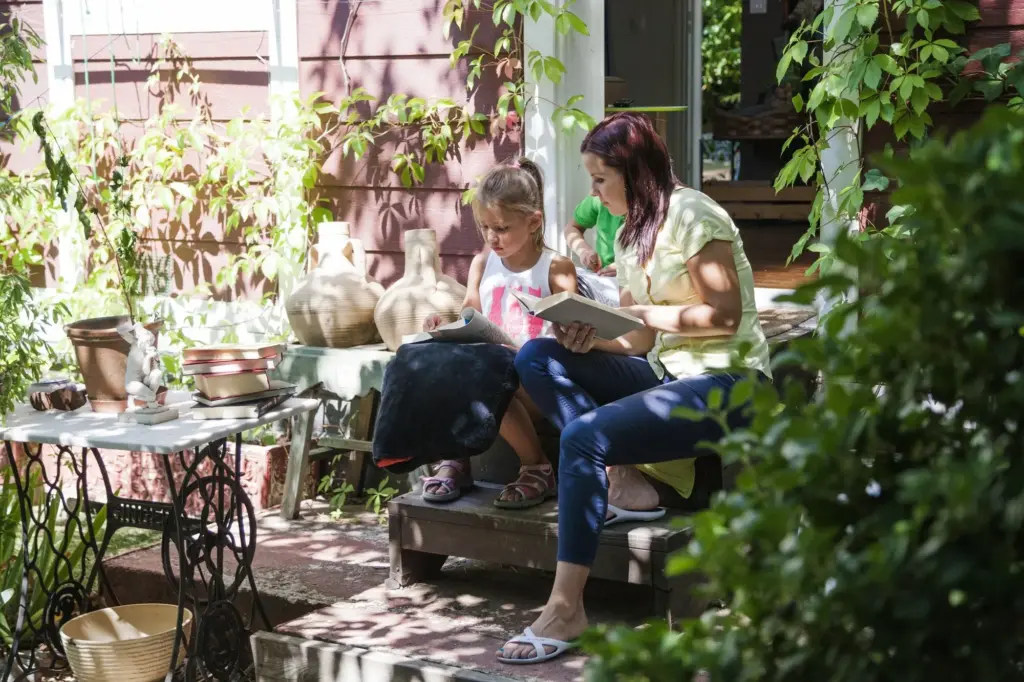
Track attendance, skills demonstrated, and stories collected, but preserve joy. Short reflection cards and photo releases make evaluation gentle. Celebrate qualitative wins equally: a grandparent emailing independently, a teen choosing patient leadership. Data should guide funding and growth while honoring the humanity numbers can never fully capture.

Getting Started Today

Library Tech Tuesdays

On Tuesdays, teens guide elders through privacy settings and photo organization, then swap roles to learn cursive signatures and letter etiquette. A bulletin board displays thank-you notes beside printed phone albums. Attendance rose steadily once tea, chairs with arms, and gentle reminders made returning effortless.

Makerspace Memory Quilt

Participants design a quilt from scanned ticket stubs, recipes, and small fabric scraps. Seniors teach stitching; teens handle scanners, color correction, and layout. Stories accompany each square, archived online and exhibited locally. The finished quilt becomes a touring conversation starter, inspiring new clubs in nearby towns.

Grandfriends Entrepreneurship Club

A retired shopkeeper, a former accountant, and three students co-run pop-up stands selling repaired bikes and upcycled crafts. Elders teach pricing, margins, and service; teens manage social posts and mobile payments. Profits fund materials and scholarships, proving business can be kind, circular, and community-rooted.

Vexorinozera
Privacy Overview

This website uses cookies so that we can provide you with the best user experience possible. Cookie information is stored in your browser and performs functions such as recognising you when you return to our website and helping our team to understand which sections of the website you find most interesting and useful.