Trade Skills Locally with Confidence and Kindness

We’re exploring fairness, safety, and etiquette in local skill trading, so every neighborly exchange feels balanced, secure, and genuinely respectful. Expect practical scripts, safety checklists, and gracious communication cues, drawn from small, real moments where clear expectations and kind follow-through turned casual swaps into trusted relationships. Come ready to set boundaries, share value transparently, and leave each interaction feeling appreciated, protected, and excited to connect again.

Clear Agreements that Feel Friendly

Strong collaborations begin with clarity that doesn’t feel stiff. Replace vague promises with warm, concrete expectations that respect time, energy, and abilities on both sides. A few thoughtful questions, a shared outline, and a quick confirmation message prevent mismatches, protect goodwill, and keep momentum. The goal is confidence without pressure, precision without nitpicking, and a shared sense that everyone’s contribution is visible and valued.

Safety Habits You’ll Be Glad You Practiced
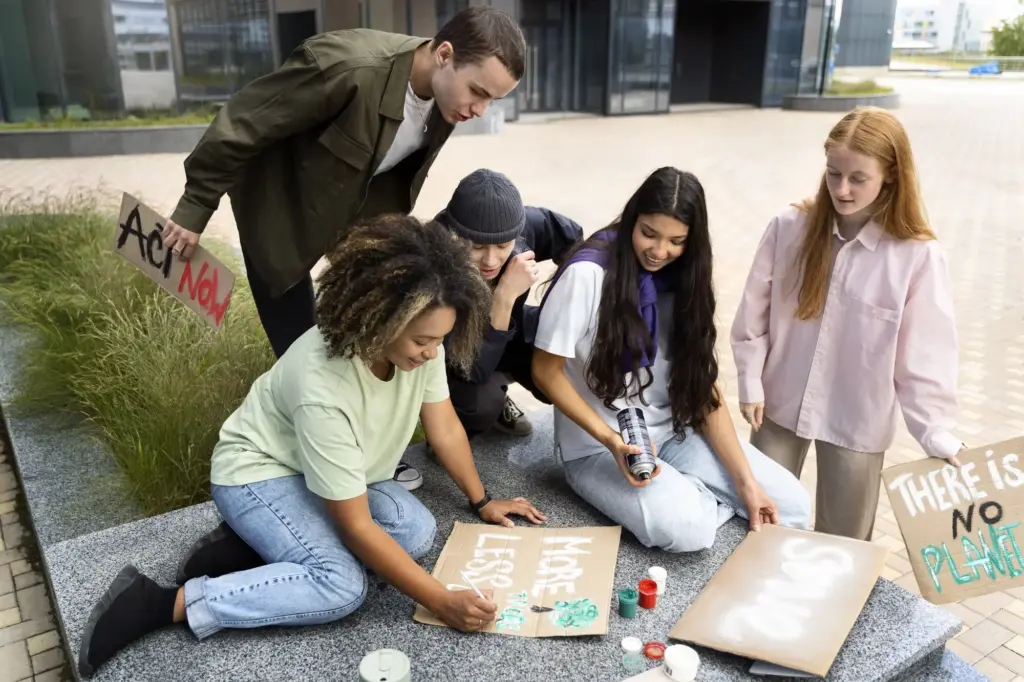
Safety is a kindness to yourself and the community. Treat first meetings like careful handshakes in public, let others know where you’ll be, and agree on boundaries around tools, homes, and personal data. Trust your senses and empower polite exits. These habits don’t signal distrust; they signal self-respect and maturity, helping good people feel comfortable participating while gently filtering out risky situations before harm can begin.

Meet Smart, Leave Safer

Choose bright, public locations for first exchanges, like libraries or community centers with cameras and staff nearby. Share arrival times and vehicle descriptions only as needed, and tell a friend your plan. Keep valuables minimal, store phones charged, and agree on a code phrase to step away gracefully. Trust early discomfort as information, not an accusation, and reschedule if something feels off without offering elaborate justifications.

Tools, IDs, and Home Access

If entering a home is necessary, confirm who will be present, where tools will be placed, and which rooms are off-limits. Photograph serial numbers of loaned items, and exchange light ID verification without oversharing records. Place pets safely away. Prop doors if appropriate and maintain sightlines. Define cleanup standards and exit procedures in advance, transforming a potentially awkward moment into a smooth, respectful closeout for everyone involved.

Signals and Boundaries

Agree on real-time signals for pausing, escalating, or stopping work, especially around ladders, electricity, chemicals, or sharp tools. Designate one person as a safety caller, responsible for time checks and hydration breaks. Set a maximum session duration to reduce fatigue. Remind each other that saying no is collaborative, not confrontational, preserving energy and attention while modeling responsible care other neighbors will appreciate and adopt.

Etiquette that Opens Doors, Not Debates

Courtesy turns effort into warmth. Short, clear messages, punctual arrivals, and gratitude that acknowledges specific contributions make people eager to collaborate again. Avoid last-minute surprises, keep tone generous, and ask questions rather than issuing fixes. Afterward, offer concise feedback, celebrate wins, and share credit publicly when appropriate. Good manners don’t slow work; they accelerate trust, helping favors evolve into reliable, reciprocal partnerships that flourish over time.
Begin with context, availability, and a single clear ask. Share constraints kindly, avoid demands, and propose two or three time options. Mirror the other person’s communication pace and medium. If delayed, send an honest update early. Replace pressure with curiosity and empathy. People remember how you made coordination feel long after they forget typos, so let your words carry steadiness, humility, and care.
Arrive a few minutes early, with materials ready and expectations revisited. If running behind, notify sooner than feels necessary. Preparation includes checking supplies, charging batteries, and clearing workspace. Bring small comforts like water or tape to smooth rough edges. This quiet reliability communicates respect more loudly than promises, protecting momentum and the shared optimism that makes neighborhood collaboration genuinely satisfying and repeatable.
Thank people for specific decisions that helped: a careful measurement, a thoughtful explanation, or a steady hand during cleanup. Name the learning you gained and how you will apply it. If publicly sharing appreciation, confirm consent first, then highlight safety care and fairness, not just speed. This kind of praise builds norms others will emulate, gently raising the quality of every future exchange.

Money, Barter, and Hybrids Without Confusion

Fair compensation can be cash, time, goods, or a thoughtful mix. Anxiety fades when numbers, timelines, and contingencies are visible. Use anchors from local markets, account for materials, and treat follow-up support as its own line. If resources differ, balance with sliding scales or staged milestones. Clarity keeps generosity from becoming pressure, honoring limits while ensuring both sides feel dignified, empowered, and excited to return.

Price Anchors and Simple Examples

Reduce friction by referencing a few public rates and framing your exchange with round numbers. For example, a two-hour bike tune equals two hours of tutoring or a fixed cash amount, with parts billed at cost. If uncertainty remains, propose a pilot hour, then recalibrate together. Anchors prevent haggling spirals, allowing everyone to focus on results, not bargaining theater that exhausts goodwill.

Transparency About Costs and Risks

Itemize materials, travel, and disposal fees before work begins, even for favors. Note uncertainties like corroded parts or outdated wiring. Agree on who authorizes extras and how. Offer receipts or quick photos of purchases. This visibility detaches integrity from perfection, because surprises become shared facts, not hidden motives, preserving a cooperative tone when the work itself becomes complicated or unexpectedly time-consuming.

Handling Tips, Tokens, and Thank-Yous

If extra appreciation feels right, ask what form is useful: cash, groceries, childcare hours, or a future favor scheduled today. Keep gifts proportionate and independent from baseline fairness. Avoid mixing thanks with pressure for positive reviews. A well-timed note and a concrete next collaboration invite continuity without obligation, building stability through modest, sustained gestures rather than grand, one-off performances that fade quickly.

Change Requests with Version Control

When discoveries alter the plan, pause and write a brief change note: what changed, why it matters, new effort estimate, and who approves. Renumber messages or documents for easy reference. This light version control sounds fancy, yet in practice prevents circular debates, helps memory, and preserves goodwill by making decisions reviewable rather than arguable, especially when the project spans multiple short sessions.

When Quality Misses the Mark

Use a three-step approach: acknowledge impact, compare to the agreed example, and propose a limited remedy. Avoid global judgments. If the fix needs extra time, decide together whether that time is new work or part of the original scope. Capture choices plainly. The aim is restoring predictability and respect, demonstrating that caring outcomes matter more than scoring points or defending pride.

Growing a Trustworthy Neighborhood Network

Invite members to share short bios, key skills, a few photos of completed projects, and two references available for a brief check-in. Encourage notes about tools, certifications, or accessibility considerations. Keep privacy controls clear. This gentle transparency amplifies good actors, deters opportunists, and lets matches form quickly, because people can visualize competence before messaging, accelerating trust and coordination from the very first hello.
Publish a small set of commonsense expectations: confirm details in writing, prioritize safety, respect boundaries, disclose conflicts, and avoid off-platform pressure tactics. Make reporting simple and fair, with calm escalation paths. Celebrate adherence publicly through kudos, not scolding. When norms are predictable, even delicate negotiations feel doable, because participants share a map that turns individual judgment into collective, repeatable wisdom.
Host occasional skill-share evenings, rotating tool libraries, or progress circles where neighbors swap quick wins and lessons learned. End each gathering by booking the next exchange on the spot. Share short success stories highlighting fairness, safety, and etiquette in action. Rituals convert scattered goodwill into a living cadence, where collaboration becomes ordinary, friendly, and delightfully dependable across seasons and changing needs.
Vexorinozera
Privacy Overview

This website uses cookies so that we can provide you with the best user experience possible. Cookie information is stored in your browser and performs functions such as recognising you when you return to our website and helping our team to understand which sections of the website you find most interesting and useful.